
Seaweed Packaging Innovations: A Sustainable Future for Packaging
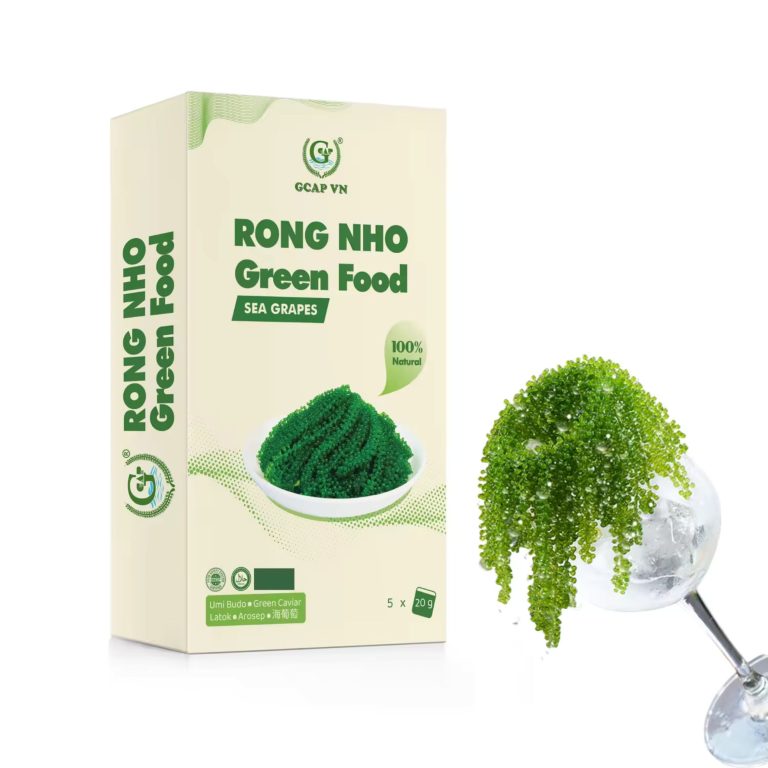
In the pursuit of a more sustainable future, seaweed packaging has emerged as a revolutionary solution in the packaging industry. With its biodegradable properties and renewable sourcing, seaweed packaging not only addresses environmental concerns but also offers diverse applications across food, medical, and retail sectors. Let’s dive deeper into this innovative approach, exploring why it matters, how it works, and what the future holds for seaweed packaging.
What Are Seaweed Packaging Boxes?
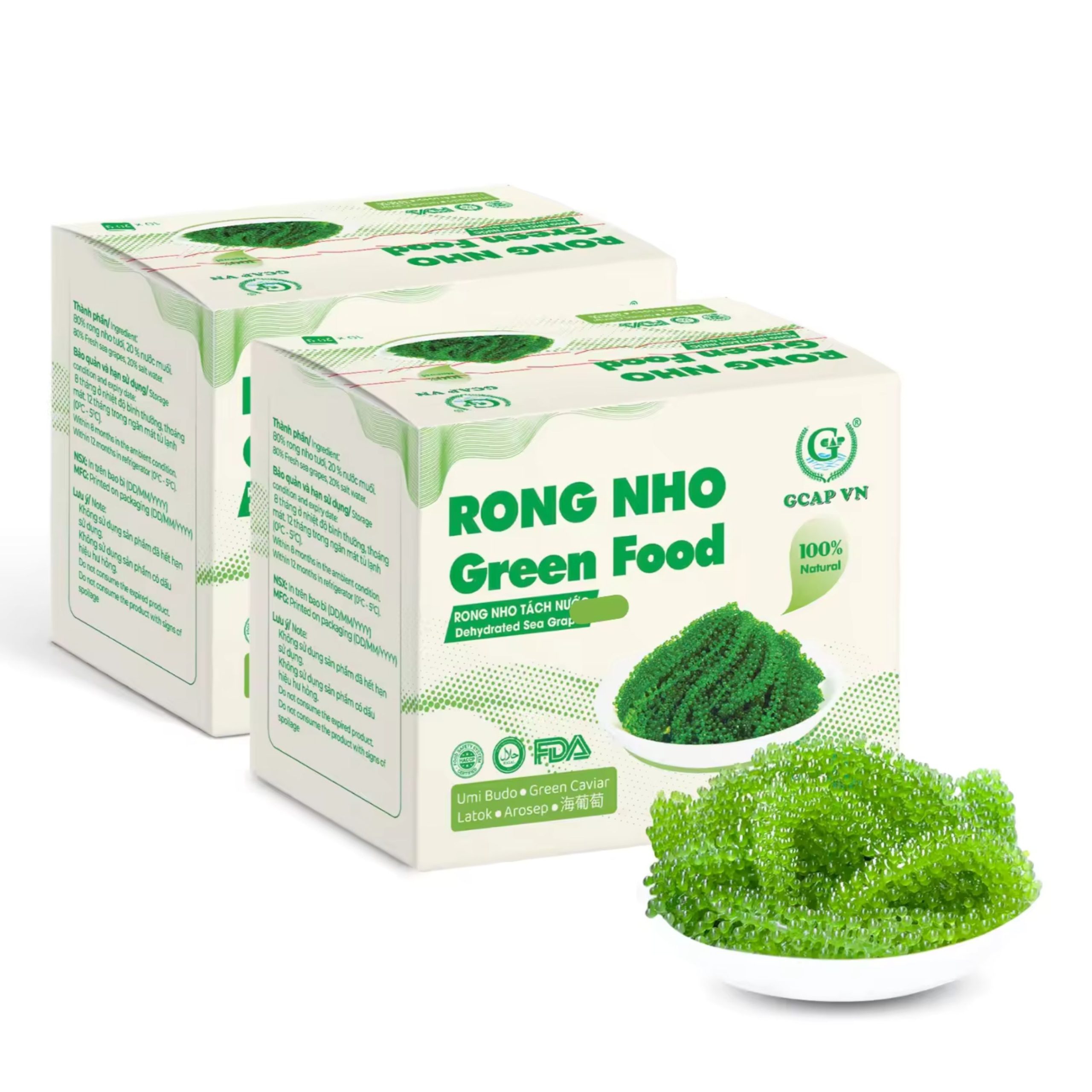
Seaweed packaging boxes are eco-friendly containers made from processed seaweed, a fast-growing and renewable aquatic resource. Unlike conventional plastic or synthetic materials that can take decades to decompose, seaweed packaging boxes are biodegradable within weeks, leaving no harmful residue. This makes them an ideal choice for businesses looking to reduce their environmental footprint.
At Seaweed Packaging Boxes, we specialize in crafting custom solutions tailored to industry-specific needs. Whether you require packaging for sensitive food items or eco-friendly alternatives for retail goods, seaweed packaging offers unparalleled versatility.
Applications: Where Seaweed Packaging Shines
Seaweed packaging is paving the way for sustainable practices in several key industries. Here are a few prominent applications:
- Seaweed Packaging Boxes for Food: In the food industry, seaweed packaging is gaining traction as a safe and sustainable alternative. Its natural composition is free from toxic chemicals, making it suitable for direct food contact. Many food businesses are opting for seaweed-based packaging solutions to cater to eco-conscious consumers.
- Seaweed Film Packaging: Thin, flexible seaweed films are used for wrapping fresh produce, baked goods, and other perishable items. These films offer excellent moisture resistance and biodegrade quickly once discarded.
- Seaweed Packaging for Wounds: In the medical field, seaweed packaging is used for wound dressings due to its natural antimicrobial and soothing properties. This innovative application highlights the material’s adaptability beyond traditional packaging purposes.
How Is Seaweed Packaging Made?
Creating seaweed packaging involves a sustainable and streamlined manufacturing process that relies on natural resources and minimal environmental impact. Here are the key steps:
| Step | Description |
|---|---|
| 1. Harvesting | Seaweed is carefully harvested from coastal or controlled environments to ensure environmental sustainability. |
| 2. Extraction | Nutrients and polysaccharides, such as agar or alginate, are extracted from the seaweed, which serve as the building blocks for the packaging material. |
| 3. Processing | The extracted components are processed into sheets, films, or moldable materials through natural and non-toxic methods. |
| 4. Production | Finished materials are transformed into boxes, wraps, or other desired packaging forms. |
What Makes Seaweed Packaging Unique from Other Eco-Friendly Options?
Seaweed packaging outperforms many other eco-friendly materials in several ways:
- Renewable Source: Unlike materials like paper that require deforestation, seaweed grows abundantly and rapidly with minimal resources.
- Biodegradability: Seaweed decomposes naturally within weeks, leaving no harmful microplastic particles.
- Safe for Consumption: As an edible plant, seaweed packaging is safe for livestock and wildlife, should it enter the natural environment.
- Carbon Neutral Production: Minimal energy is required to cultivate and process seaweed, resulting in a lower carbon footprint compared to petroleum-based materials.
Brands like Sway Seaweed Packaging have been at the forefront of introducing creative solutions to the market. These companies focus on combining sustainability with durability, ensuring businesses don’t have to compromise on quality over eco-consciousness.
How to Transition to Seaweed Packaging in Your Business
Adopting seaweed packaging is a step-by-step process that requires thoughtful implementation:
- Assess your current packaging requirements and identify areas where traditional materials can be replaced with seaweed-based solutions.
- Partner with reliable Custom Seaweed Packaging Boxes suppliers that provide industry-specific designs and quality assurance.
- Test seaweed packaging on a smaller scale to gauge customer response and operational feasibility.
- Incorporate customer education campaigns that highlight the benefits of using sustainable packaging materials.
Challenges in Scaling Seaweed Packaging
Despite its promising potential, scaling seaweed packaging across industries does come with challenges. These include:
- Awareness: Many businesses and consumers remain unaware of seaweed packaging’s benefits and applications.
- Cost: Since seaweed packaging is relatively new, production costs may be higher compared to mass-produced plastics. Economies of scale are crucial for wider adoption.
- Availability: While seaweed is abundant, inconsistencies in its availability due to environmental factors can create supply chain bottlenecks.
- Durability: Although highly effective, certain packaging requirements demand materials that are more durable than seaweed-based options currently offer.
Conclusion
The rise of seaweed packaging demonstrates a pivotal shift toward sustainability in the packaging industry. As businesses continue to embrace eco-friendly solutions, seaweed packaging is poised to become a key player in reducing global waste and combating climate challenges. For organizations looking to stay ahead of the curve, transitioning to seaweed packaging not only supports environmental goals but also appeals to growing consumer demand for sustainable practices.
At Custom Cardboard Boxes Co UK, we’re committed to delivering innovative solutions tailored to meet unique requirements. Explore our collection of customizable seaweed packaging options and make the switch to a greener, more responsible choice today.